Wholesale Plastic Pots Buying Guide for Nurseries and Garden Centres
When buying wholesale plastic pots for nurseries, start by separating two requirements: pots used to grow and handle plants, and decorative planters sold for display.
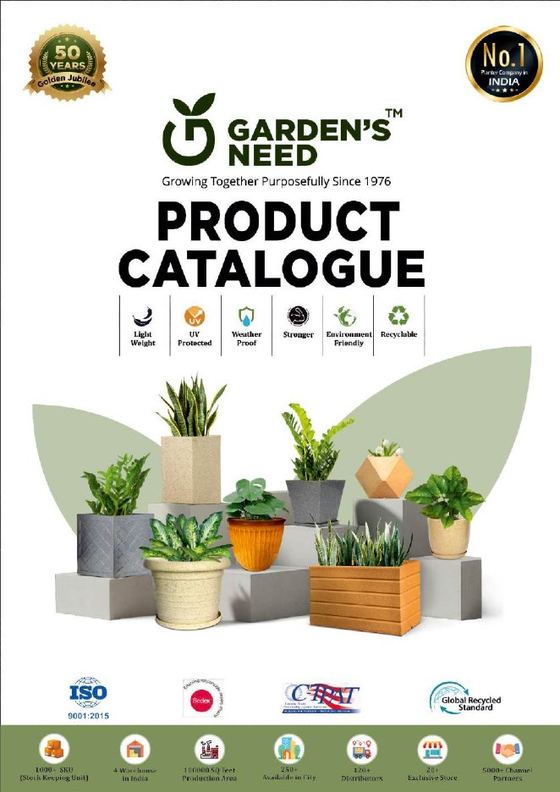
Growing pots need to suit the plant, irrigation routine and daily nursery operations. Decorative planters also need to meet customers' expectations for appearance, finish and placement. Some products serve both purposes, but choosing only by colour or purchase price can lead to unsuitable stock.
This guide explains the differences and helps nursery owners plan a practical wholesale order.
Growing Pots vs Decorative Planters: What Is the Difference?
Growing pots are selected primarily for plant cultivation and handling. Decorative planters are selected for presentation as well as their intended planting use.
A decorative planter may be suitable for direct planting, or it may act as an outer container holding a separate growing pot. Confirm which function the product supports before purchasing.
| Buying factor | Growing pots | Decorative planters |
|---|---|---|
| Main purpose | Propagation, growing, repotting and plant sales | Display, gifting, décor and resale |
| Main selection criteria | Root space, drainage, handling and growing conditions | Appearance, dimensions, finish and planting suitability |
| Size selection | Based on the plant and growth stage | Based on the plant, inner pot and display space |
| Drainage | Must suit the growing system | Confirm drainage or intended use as an outer container |
| Appearance | Often secondary to practical performance | Shape, pattern, texture and colour matter more |
| Inventory planning | Linked to growing cycles and plant volumes | Linked to customer preferences and sales |
| Accessories | As required by the growing operation | May include trays, stands, hangers or reservoirs |
The distinction is about function, not a fixed quality grade. A growing pot can be durable and well finished, while an attractive decorative planter still needs to perform properly in its intended use.
1. Divide Your Order by Purpose
Before requesting a catalogue or quotation, divide your requirements into three groups:
Pots for nursery operations
These are used for propagation, growing, repotting and moving plants around the nursery. Choose them around your plant range and working practices.
Pots sold with plants
These form part of the customer's purchase. Consider planting suitability, transport, appearance and the combined selling price of the plant and pot.
Decorative planters sold separately
These are purchased as retail products. Customers may select them for balconies, homes, offices or gifting, so design and display appeal become important buying factors.
Keeping these groups separate makes it easier to compare costs and identify which products need replenishment.
2. Select Growing Pots Around Plant Requirements
For growing pots, check more than the stated diameter. Review:
- Top diameter, base diameter and height.
- Usable internal space.
- Drainage-hole design and position.
- Stability when filled.
- Suitability for handling and movement.
- Whether empty pots stack and separate easily.
- Compatibility with nursery benches, trays or spacing arrangements.
Ask suppliers whether dimensions are internal or external. Two pots described as "8-inch" may differ in depth, shape and usable capacity.
Pot size should suit the plant and growing method. Avoid assuming that the largest available pot is always the best choice.
3. Select Decorative Planters Around Customer Use
For decorative stock, assess shape, size, pattern, texture and colour alongside functionality. Build an assortment that reflects your customers' needs:
| Customer requirement | Features to assess |
|---|---|
| Indoor display | Finish, stability, dimensions and water-management arrangement |
| Balcony gardening | Footprint, drainage and suitability for exposure |
| Hanging display | Supplied hanger, attachment method and supported load |
| Large plants | Internal space, base stability and handling requirements |
| Gifting | Presentation, packaging and suitable size |
| Self-watering use | Reservoir design, instructions and maintenance requirements |
For outdoor suitability, UV resistance or load-bearing claims, request supporting specifications. Do not assume that every plastic planter has the same performance.
4. Check Whether the Planter Supports Direct Planting
This question prevents a common mismatch: will the customer plant directly into the container, or place a growing pot inside it?
For direct planting, assess drainage and the complete planting arrangement. For use as an outer decorative container, check that the growing pot fits comfortably. Compare its widest external measurement with the planter's internal opening and account for height and taper.
Customers should also understand how to remove excess collected water. A decorative outer container should not be treated as a self-watering system unless it is designed for that purpose.
Clear product labels help your team recommend the right option.
5. Inspect Samples Before Ordering in Bulk
Request representative samples of the products you intend to buy. For growing pots, inspect drainage, shape, handling and consistency. For decorative planters, also inspect finish, colour and accessory fit. Check samples for:
- Cracks, sharp edges or visible defects.
- Uneven bases or distortion.
- Dimensions matching the specification.
- Drainage openings that function as intended.
- Trays and hangers that fit correctly.
- Consistency between pieces of the same variant.
Evaluate products under their intended conditions. Do not treat pot weight alone as proof of quality; material, design and manufacturing also matter.
Keep approved samples as references for checking future deliveries.
6. Compare Growing and Decorative Stock Separately
Growing pots and decorative planters have different commercial roles. For pots used within nursery operations, assess procurement cost alongside suitability, handling and replacement needs. For decorative resale stock, consider:
- Landed purchase cost.
- Expected selling price.
- Packaging and selling expenses.
- Likely sales speed.
- Space needed for display and storage.
- Risk of unsold colours or designs.
Avoid judging decorative stock only by the highest potential margin. A product with an attractive margin can still tie up cash if customers rarely buy it.
There is no universal stock split between growing and decorative pots. Use your own plant volumes, sales records and customer enquiries.
7. Compare Landed Cost and Packing Quantities
Ask for a quotation that clearly states:
- Product name and SKU.
- Size and colour.
- Pieces per carton.
- Minimum quantity per variant.
- Product and accessory charges.
- Packing and freight charges.
- Applicable taxes.
- Expected dispatch timing.
Ask your accounts team to assess GST and eligible input tax credit separately.
Check whether mixed sizes or colours are allowed. A low unit price may be less useful if the required carton quantity exceeds your demand.
8. Plan Reorders Around Two Different Demand Patterns
Growing-pot demand is linked to propagation, repotting and plant-production schedules. Decorative-planter demand depends more on customer purchases and preferences. Track these separately:
| Growing-pot records | Decorative-planter records |
|---|---|
| Consumption by size | Sales by SKU |
| Planned repotting requirements | Sales by colour and design |
| Usable stock available | Unsold inventory |
| Supplier lead time | Customer requests |
| Operational shortages | Repeat purchases |
Use these records to reorder suitable quantities rather than repeating the previous order automatically.
9. Confirm Delivery and Damage Terms
Before payment, obtain written confirmation of available stock, dispatch expectations and shortage or damage procedures. Ask:
- How will products and accessories be packed?
- Are partial dispatches possible?
- What happens if a selected colour is unavailable?
- How quickly must damage be reported?
- What evidence is required?
- How are accepted claims resolved?
Inspect deliveries promptly and compare them with the purchase order and approved samples.
Wholesale Nursery Pots Buying Checklist
- Separate growing, plant-sale and decorative requirements.
- Confirm dimensions and intended use.
- Check drainage and planting arrangements.
- Inspect representative samples.
- Confirm accessories and packing quantities.
- Compare landed costs.
- Review demand by size, colour and design.
- Confirm dispatch and damage-handling terms.
- Start unfamiliar products with a manageable trial quantity.
Frequently Asked Questions
Can decorative plastic planters be used for growing plants?
Some can, provided their design, dimensions and drainage suit the plant and growing method. Others are intended as outer decorative containers. Confirm the product's intended use.
Should nurseries stock both growing pots and decorative planters?
Stock both when they meet your operational requirements and customer demand. Growing pots support nursery work, while decorative planters can serve customers buying display-ready plants or separate containers.
Which plastic pot sizes should a nursery buy?
Choose sizes based on your plant range, growing stages and sales records. Confirm full dimensions rather than relying only on a nominal size label.
How can a nursery avoid overstocking decorative pots?
Begin with a focused assortment, track sales by size and variant, and expand based on demand. Confirm mixed-order options with the supplier.
When enquiring about Garden's Need plastic pots and planters, tell our team whether you need products for growing, selling plants, decorative resale or a combination of these uses. Share your preferred sizes, quantities, delivery city and PIN code so the team can discuss suitable products and quotation requirements.