Injection, Blow, Rotational & Fiberglass Moulding: How Plastic Planters Are Manufactured at Scale
Plastic planters can be produced through injection moulding, blow moulding or rotational moulding, depending on their design, material and production requirements. Fiberglass planters use a different approach: glass fibres reinforce a resin to create a composite structure.
For nurseries, dealers and project buyers, understanding these differences helps when comparing products and quotations. The manufacturing process influences what shapes can be made, how a product is finished and how production is organised. However, the process name alone does not establish quality.
A Quick Comparison of Planter Manufacturing Processes
| Process | How it works | Main design consideration |
|---|---|---|
| Injection moulding | Molten plastic is injected into a mould, cooled and released | Repeatable shapes, details and dimensions |
| Blow moulding | Air expands a heated plastic tube or preform inside a mould | Hollow-body construction |
| Rotational moulding | Material is heated inside a rotating mould, then cooled | Hollow forms, including larger products |
| Fiberglass/FRP moulding | Glass reinforcement and resin are formed and cured | Composite construction and surface finish |
The appropriate method depends on the product—not simply whether the buyer wants a "premium" or "economical" pot.
1. Injection Moulding: Producing Repeatable Shapes
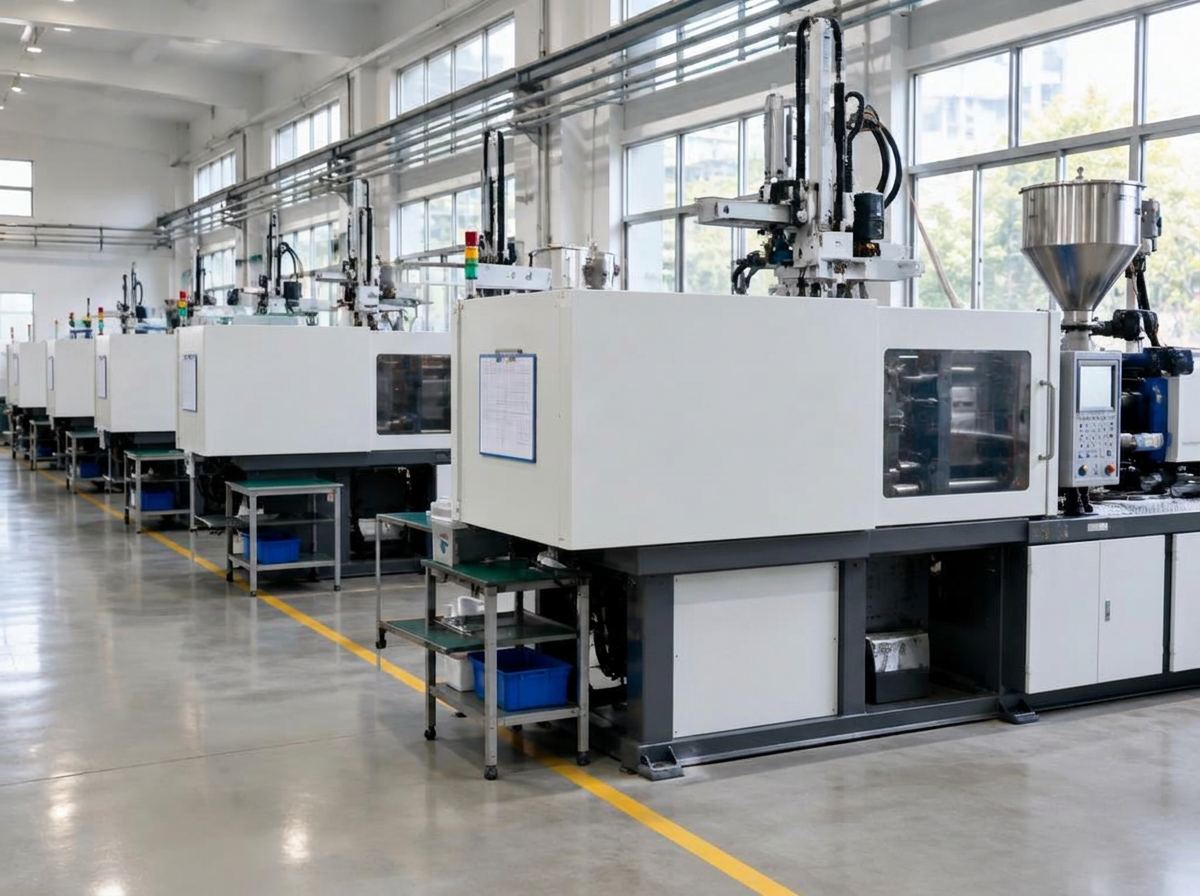
In injection moulding, a machine melts plastic and injects it into a mould cavity. After cooling, the mould opens and the part is released. The mould defines the product's shape and features.
For a planter, the design may include a shaped rim, surface pattern, ribs or drainage features, subject to tooling requirements.
What should wholesale buyers check?
Inspect dimensions, finish, base stability and consistency between pieces. Check for distortion, incomplete features, sharp edges and accessories that do not fit.
A repeatable production process is useful only when the finished products meet the agreed specification.
2. Blow Moulding: Forming Hollow Bodies
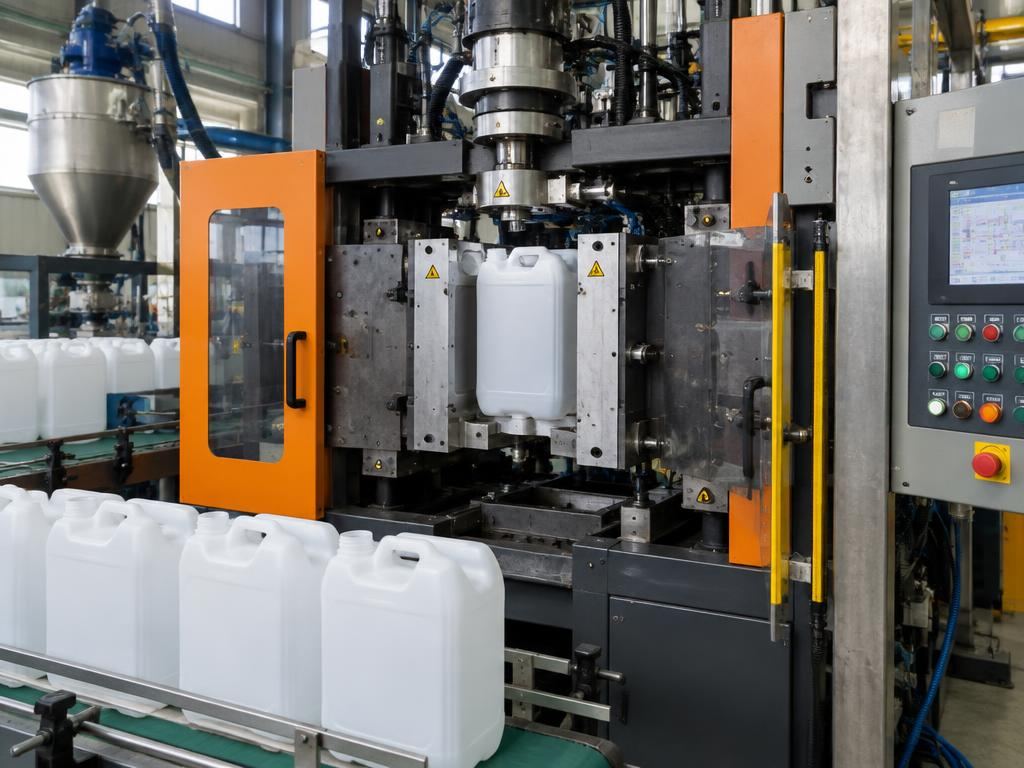
Blow moulding uses air to expand heated plastic against the inside of a mould.
In extrusion blow moulding, the starting material is a hollow plastic tube. In injection blow moulding, a preform is first made and then inflated. These are distinct versions of the process.
For planter applications, the manufacturer must also account for the final opening, base and any trimming or drainage operations required.
What should wholesale buyers check?
Ask about construction and finishing. Inspect seams, trimmed edges, base stability and wall consistency.
Confirm the intended load and use through product specifications. Appearance alone does not establish suitability for a large plant or outdoor installation.
3. Rotational Moulding: Building Hollow Forms
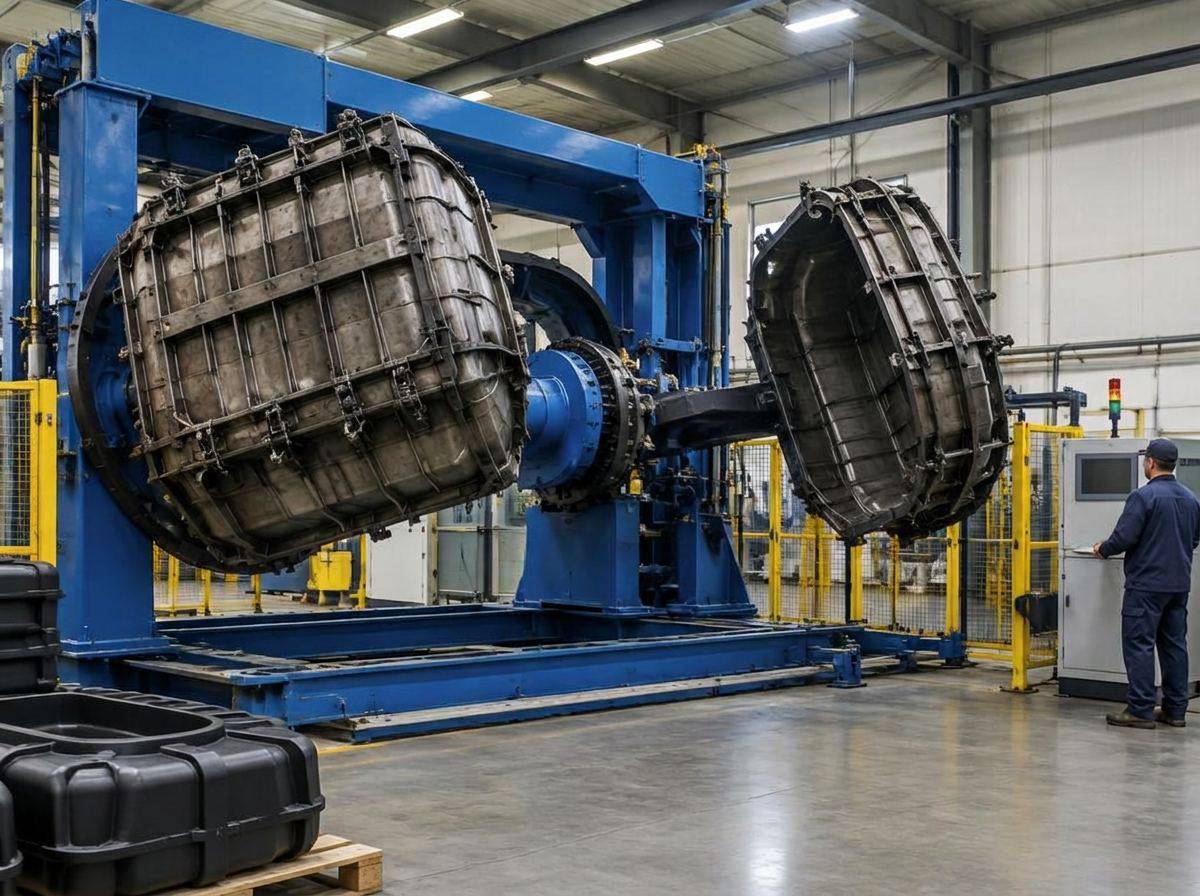
Rotational moulding, also called rotomoulding, starts with a measured quantity of material, commonly plastic powder, placed inside a mould.
The mould is heated while rotating, allowing the material to build up against its interior surface. It then cools before the finished part is removed.
The process is particularly relevant to relatively large, hollow shapes. Part design and mould construction still determine what can be manufactured successfully.
What should wholesale buyers check?
Inspect the planter's shape, base, finish and specified wall construction. Ask whether openings, drainage holes or other features are formed during moulding or added afterwards.
For larger planters, also confirm dimensions, packing arrangements and handling requirements before ordering.
4. Fiberglass Moulding: Producing a Reinforced Composite
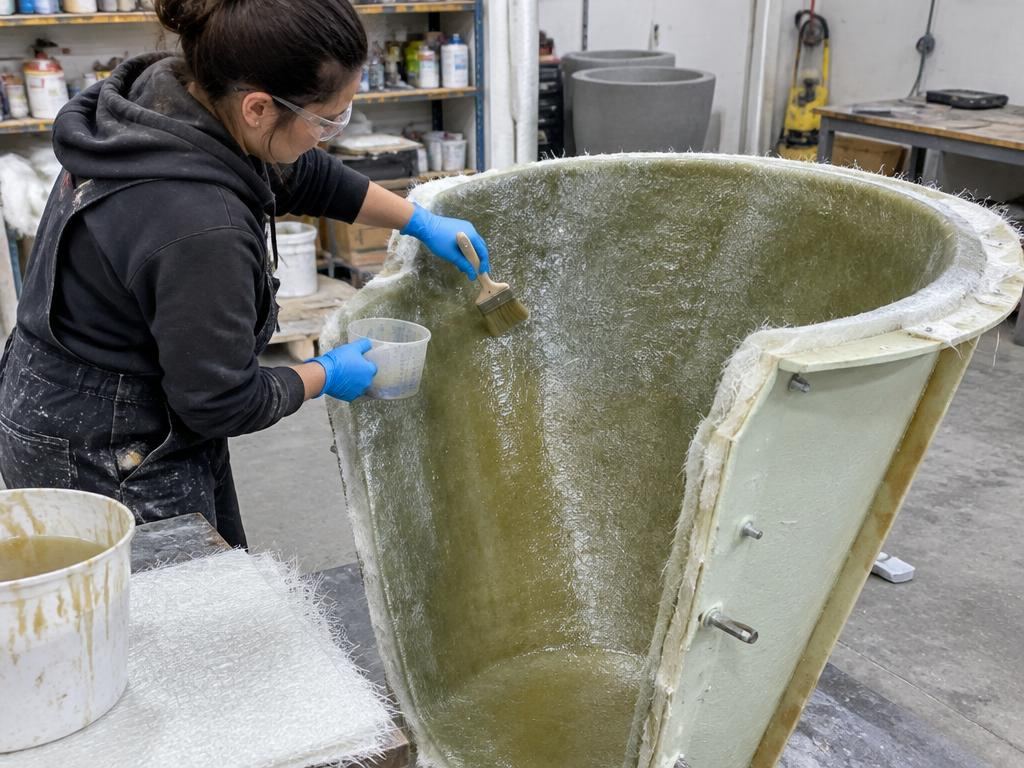
Fiberglass planters are often described as FRP planters. FRP means fibre-reinforced polymer, while GRP specifically refers to glass-reinforced plastic.
Unlike the thermoplastic processes above, many fiberglass products are made by combining glass reinforcement with a resin that cures. Hand lay-up and spray-up are common open-moulding techniques; other composite methods also exist.
What should wholesale buyers check?
Ask about the reinforcement, resin system, finish and intended application. Inspect visible cracks, surface defects, sharp edges and consistency between pieces.
Do not assume that a product called "fiber" or given a stone-like finish contains glass reinforcement. Trade names and decorative finishes are not reliable material specifications.
Does the Manufacturing Process Determine Quality?
No. Quality depends on the complete product specification and manufacturing control.
Two planters made using the same process can perform differently because of their material, geometry, wall construction, finish and production consistency.
Similarly, a process name does not prove:
- UV resistance.
- Outdoor durability.
- Load capacity.
- Recycled content.
- Warranty coverage.
Request supporting information for claims that matter to your purchase.
How Manufacturing at Scale Affects Bulk Orders
For business buyers, the important question is whether the supplier can repeatedly deliver the agreed product. Discuss:
Product specifications
Confirm SKU, dimensions, colour, finish, drainage and accessories. Ask whether measurements are internal or external.
Sample approval
Approve a representative sample before committing to an unfamiliar product. Retain it as a reference for delivery inspection.
Production and stock
Confirm which items are available and which require production. Keep dispatch dates separate from estimated delivery dates.
Packing and logistics
Large dimensions can affect carton sizes, storage and freight. Ask whether products nest and how surfaces and accessories are protected.
Customisation
Changes to shape, dimensions or construction may require tooling changes. Confirm feasibility, minimum quantities, costs and lead times before promising a customised product to your customer.
A Manufacturing Checklist for Planter Buyers
- What is the product's material and manufacturing process?
- Is it designed for direct planting or use as an outer container?
- What dimensions and construction are specified?
- What supports outdoor, UV or load-related claims?
- Can we approve a sample?
- What finishing operations and accessories are included?
- What are the MOQ, packing quantities and dispatch terms?
- How are defects, shortages or transit damage handled?
Frequently Asked Questions
Which manufacturing process is best for plastic planters?
There is no universal best process. The suitable method depends on the planter's design, material, dimensions and production requirements.
Are roto moulded planters and fiberglass planters the same?
No. Rotational moulding is a manufacturing process. Fiberglass describes a glass-reinforced composite material, commonly formed through composite moulding methods. Confirm the actual specification with the supplier.
Does blow moulding mean a planter is weak?
No. Assess the finished product's design, material, construction and intended use. The process name alone does not establish strength.
Can every moulded planter be used outdoors?
Do not assume so. Ask for the product's intended-use specification and supporting information for relevant weather-resistance claims.
Choosing a planter starts with its intended use, dimensions, design and quantity. For nursery resale, dealership stock or a commercial project, share your requirements with the Garden's Need team. Ask for the relevant product specifications, available options and quotation details.